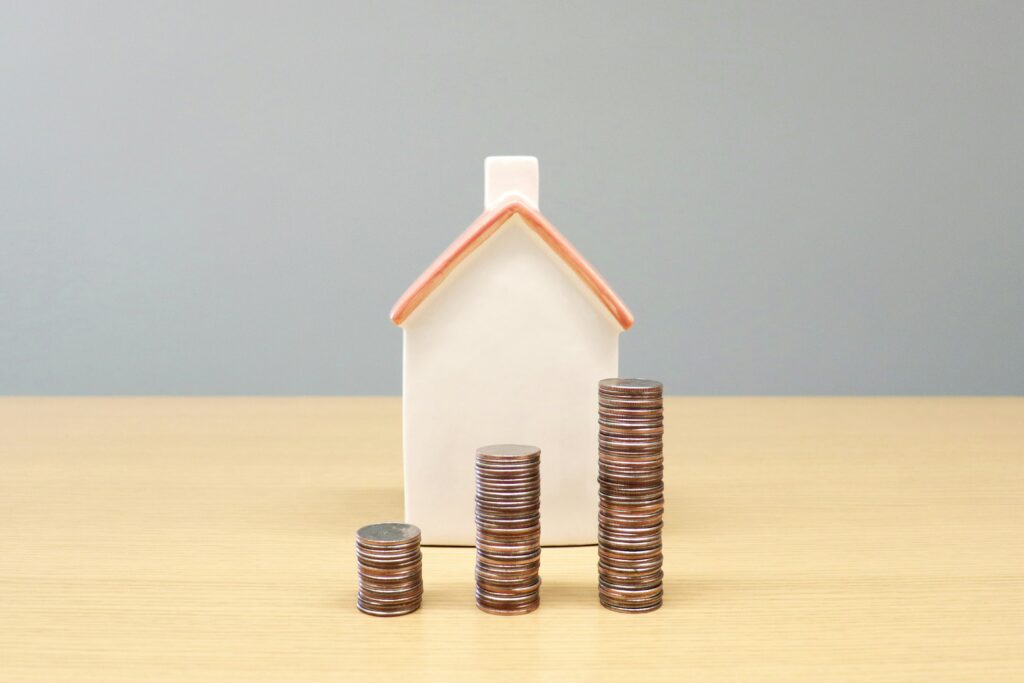

Renting vs Buying in South Africa: What Makes More Sense Right Now?
If you are currently renting, you have probably asked yourself:
“Should I keep renting, or is it time to buy my own home?”
The answer depends on your situation. In this guide, we break it down in simple, practical terms to help you make the right decision.
1.What Are You Really Paying Each Month?
Let’s look at a simple comparison:
Example:
- Rent: R6,000 per month
- Possible bond: R6,500 per month
At first glance, renting seems cheaper. However, the difference is important:
- Rent is money you will never get back
- A bond payment helps you build ownership in a property
| Renting | Buying |
| R6,000/month | R6,500/month |
| No ownership | Own your home |
| No return | Long-term investment |
2.When Renting Makes More Sense?
Renting is not a bad choice. In many cases, it is the smarter option.
Renting may be better if:
- You need flexibility for work or lifestyle
- Your finances are not stable yet
- Your credit score is low
- You do not have savings for upfront costs
Renting offers flexibility and fewer responsibilities in the short term.
3.When Buying is the Better Option
Buying becomes the better option when you are financially ready and thinking long- term.
Buying may be better if:
- You want long-term stability
- You plan to stay in one area for several years
- You want to build wealth over time
- You are tired of annual rent increases
Property remains one of the most reliable long-term investments in South Africa.
4.What Happens After 5–10 Years?
This is where the real difference becomes clear.
If you rent for 10 years:
- You could spend approximately R720,000
- You will not own an asset
If you buy for 10 years:
- You are paying towards ownership of your home
- Your property may increase in value over time
Renting vs Buying Over Time
- Renting: continuous expense with no return
- Buying: increasing ownership and potential value growth
5.The Reality of Property Prices in South Africa
Currently:
- Many areas still offer relatively affordable property options
- Interest rates may fluctuate, but property values generally increase over time
Waiting too long can result in higher purchase prices in the future.
6.Hidden Costs to Consider
Buying a property comes with additional costs:
- Transfer costs
- Bond registration fees
- Maintenance
- Monthly rates and levies
Renting has fewer upfront costs:
- Deposit
- Monthly rent
Renting is easier to start, but buying creates long-term value.
7.The Lifestyle Factor
There is also an emotional and lifestyle component to consider.
With renting:
- You may need to move if the lease ends or the owner sells
- You have limited freedom to make changes to the property
With buying:
- You gain stability for yourself and your family
- You can personalise and improve your home
- You build a sense of ownership and security
8.What Should You Do Next?
Ask yourself the following:
- Do I plan to stay in this area for the next 3 to 5 years?
- Can I afford a monthly bond repayment?
- Is my credit score in good standing?
If the answer is yes, it may be time to start exploring buying options.
If not, renting remains a practical short-term solution while you prepare.
Final Thoughts
There is no single correct answer.
Renting can be a stepping stone.
Buying is a long-term goal.